
Do not buy the lot until you know what it is, what can be built and which expensive questions are still open.
Confirm the legal parcel first. Then work through zoning, access, physical conditions, utilities, private restrictions and likely site costs. Every “buyer to verify” note should become a specific task with a source, a responsible person and a contract deadline.
Use the checklist in sequence.
The order matters. A buyer should not spend heavily on detailed design before confirming parcel identity and basic land-use fit. Likewise, a zoning label should not create confidence before access, slope, drainage and utilities are understood. Move from legal identity to public rules, physical reality, private restrictions and finally the complete budget.
The MLS sheet, APN, assessor or GIS map, a simple dimensioned version of the desired home and garage, a measuring tool, photos of the street approach, and this checklist. Record what must be verified rather than trying to solve every issue from the curb.
Confirm The APN And Legal Description
Match the listing, assessor record, title information and recorded plat. Verify that every parcel included in the sale is identified and that a street address is not being used as a substitute for the legal property.
Review Title And Recorded Documents
Read the title commitment and investigate easements, rights-of-way, restrictions, liens, shared access, party walls, maintenance obligations and exceptions. Ask the title or legal professional to explain anything that affects the intended use.
Locate Boundaries And Corners
Use GIS and plat maps for orientation, then determine whether a current boundary survey is needed. Do not design a wall, driveway, garage or building footprint from online parcel lines.
Verify Jurisdiction And Zoning
Confirm whether Lake Havasu City or Mohave County governs the parcel, the current zoning classification, overlays and whether the proposed use is permitted or conditional.
Map The Buildable Envelope
Layer setbacks, easements, drainage, slopes, walls, utility corridors and private rules onto the parcel. Test the home, garage, driveway, pool and outdoor space together.
Inspect Access And Street Relationship
Confirm legal and physical access. Evaluate curb, pavement, street grade, driveway placement, turning movement, drainage crossings and how construction equipment will reach the site.
Investigate Drainage And Flood Information
Check FEMA and local flood-control resources, then look for washes, concentration points, drainage easements, neighboring runoff and finished-floor or engineering implications.
Verify Water And Wastewater
For city parcels, confirm water and sewer connection facts with the city. For county parcels, investigate the applicable water arrangement, well records and septic feasibility or permitting.
Verify Electric, Gas And Communications
Ask each provider about service to the APN, connection point, extension distance, design requirements, lead time and preliminary cost. A nearby line is not a service commitment.
Understand Grading, Soil And Retaining
Ask for permits, plans, compaction and soils information connected to prior work. Have the project team evaluate slope, rock, cut/fill, retaining, drainage and foundation assumptions.
Read HOA, CC&R And Design Rules
Obtain the complete current documents, fee schedule and design criteria. Confirm home-size, garage, height, roof, materials, landscape, builder and construction-timing rules.
Price The Full Site And Calendar The Contract
Create a site-development budget and a written investigation schedule before the offer. The due-diligence period begins after Contract acceptance and lasts for the number of days written into the signed agreement.
| Question Type | Primary Source | Keep In The Parcel File |
|---|---|---|
| What Is The Parcel? | Title, legal description, recorded plat, assessor and surveyor when needed. | APN, deed or title material, plat, survey and parcel correspondence. |
| What Is Publicly Allowed? | Lake Havasu City or Mohave County, depending on jurisdiction. | Zoning confirmation, applicable code or development documents and agency replies. |
| What Is Privately Allowed? | Current CC&Rs, design criteria, association and title documents. | Complete documents, amendments, fee schedule, forms and written review guidance. |
| Can The Site Support It? | Surveyor, engineer, designer, builder and utility providers working from the concept. | Plans, notes, reports, preliminary scopes, estimates and unresolved assumptions. |
Official starting points
Use these sources to gather facts and identify the correct department. Save the relevant records or correspondence in the parcel file.
- Mohave County Assessor Search — parcel and ownership search starting point.
- Mohave County Public Map Viewer — parcel, aerial, street and generalized topographic context.
- Lake Havasu City Planning And Zoning — city land-use and application information.
- Lake Havasu City Building Permits — plan-review and permit pathway.
- FEMA Flood Map Service Center — official federal flood-hazard mapping.
- Mohave County Flood Viewer — parcel-oriented flood research.
- UniSource Construction Services — electric and gas new-construction pathways.
- Arizona Well Record Search — registered well records by parcel or other search methods.
- Mohave County Septic And Well Permitting — onsite wastewater and county permitting information.
Put Every Investigation On The Contract Calendar
The Arizona vacant-land contract measures the buyer’s due-diligence and inspection period from Contract acceptance. The signed agreement controls the actual number of days. Build the investigation schedule before acceptance: prioritize title and access, public and private rules, utilities, survey or engineering questions, site-cost estimates and any lender or design review that may take time. Do not wait for an escrow milestone to start counting.
HavasuLew can help organize the real-estate timeline and parcel questions, but the contract, title, legal, engineering, survey, utility and construction answers must come from the people or agencies responsible for them.
Questions that should trigger a professional review
Bring in the appropriate professional whenever a fact materially affects the build or investment. Common triggers include uncertain boundary locations; apparent encroachments; unrecorded access; steep or previously altered ground; major retaining; a wash or drainage path; unusual soil or rock; long utility extensions; septic uncertainty; complex title exceptions; private design restrictions; a nonstandard use; or a floor plan that consumes most of the apparent lot.
A good answer is specific to the APN and intended project. “The neighbor did it” is useful context, not approval. “Utilities are at the street” is a question starter, not a connection estimate. “Buildable” should mean the concept has survived legal, regulatory, physical and budget review—not simply that the parcel is listed as residential land.
Red-flag language to slow down and investigate
- “Buyer to verify.” Identify exactly what must be verified, by whom and before which contract deadline.
- “Utilities nearby.” Ask each provider about the parcel, extension and service design.
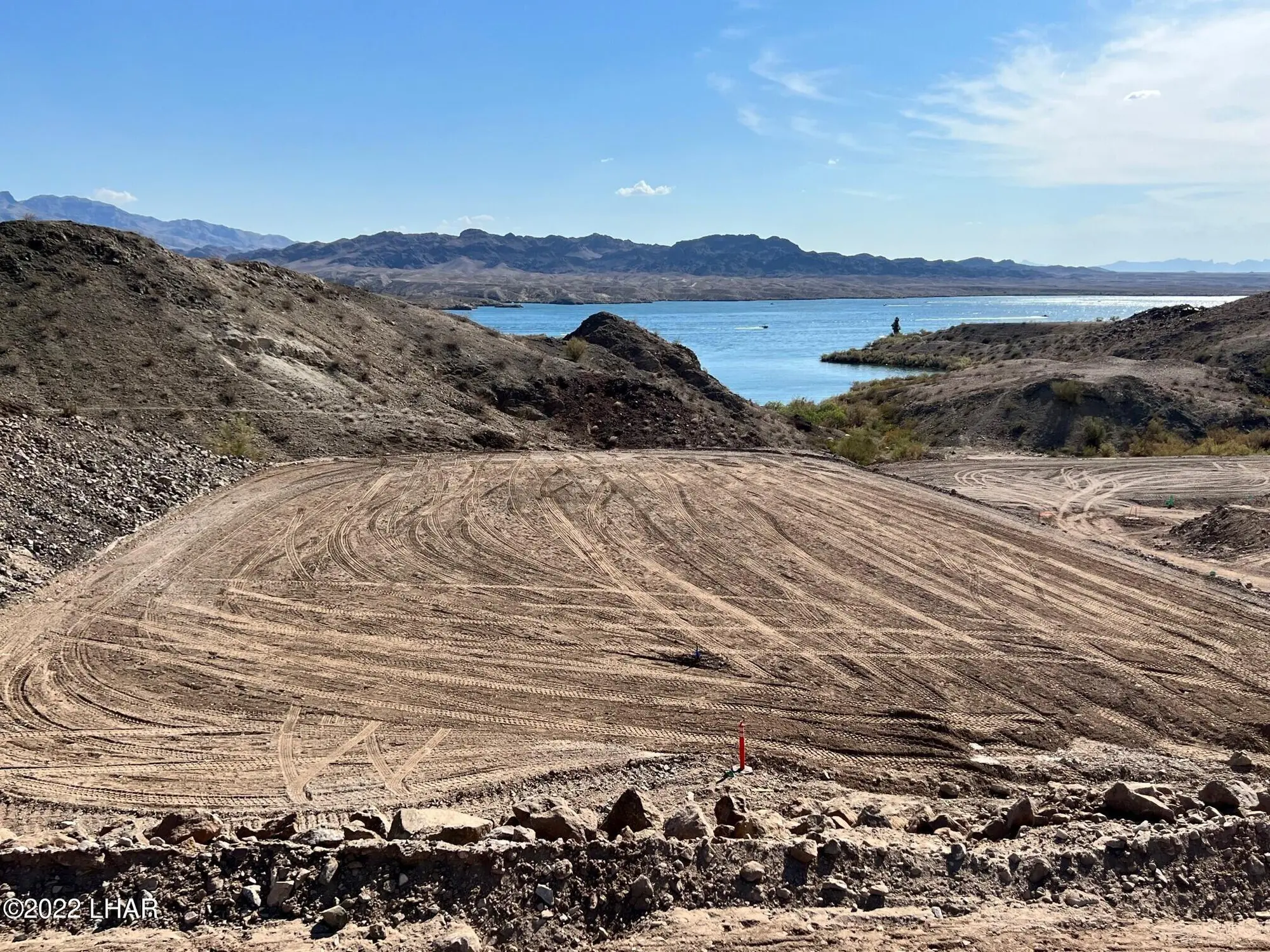
- “Graded and ready.” Request permits, engineering, soils or compaction documentation and current approval status.
- “Possible lot split” or “development potential.” Verify zoning, access, infrastructure, subdivision rules and approval pathway.
- “Plans included.” Confirm ownership, transfer rights, approval status, expiration, fit and whether revisions are required.
- “Lake view.” Evaluate the view from the finished floor elevation and whether neighboring build rights can affect it.
Put The Checklist To Work On A Real Lot.
Save the address or APN and tell HavasuLew whether you may build, hold or resell. The response can focus on the search, document and follow-up paths that fit both the parcel and your ownership goal.